The Home Stretch
In our first three parts, we explored the powerful Rock Imagery that appears throughout Scripture as a symbol of stability, protection, and salvation. We’ve seen how this rich metaphor connects to God the Father, Messiah Yeshua (Jesus), and His Church.
Now, we’ll examine the Reality of Iniquitous Obstacles in our lives, their impact on us, and God’s plan for justice. We’ll discover how Simon Peter overcame adversity to secure his blessings and freedom—a journey that fulfills important End-Time prophecy.
We’ll also decode key biblical concepts through helpful word pictures, including:
- The Keys of God’s Kingdom
- The Day of the Lord
- The Feast of Tabernacles
- The 144,000 Sealed
How does this ancient wisdom speak to our modern challenges? Join us as we uncover these timeless truths…
Peter’s Struggle with Iniquity
At the end of part three Yeshua has just reattached the victim’s ear. But in the unseen realm, the adversary has found a precedent from Genesis 34 where the defendant is found guilty of anger. A verdict is rendered in Genesis 49:5-7 with devastating consequences: This passage condemns Simeon and Levi for their violent actions against Shechem, describing them as “instruments of cruelty.”
Simon Peter was now vulnerable as a guilty instrument of cruelty undeserving of honor in the Messianic community. For in his anger, he severed a man’s ear. The accuser demanded that the curse associated with Simon’s fierce anger be allowed to resume accordingly. Satan’s desire was to scupper Peter’s destiny as an Apostle of Messiah Yeshua.
It is Yeshua’s words of prayer that stood between Peter and the adversary: “But I have prayed for you, that your faith should not fail; and when you have returned to Me, strengthen your brethren.” (Luke 22:32)
Although Peter kept stumbling and even falling at times, he kept picking himself up, and continued following Messiah Yeshua to the end (John 6:68; 21:19).
Understanding Spiritual Barriers
Iniquitous roadblocks—spiritual barriers resulting from past sins and generational patterns—are real and cannot be stopped unless the Lord intervenes. There were 38 generations from the son of Jacob, Shimon to Simon Peter.
Thus says the Lord,
“I, even I, am He who blots out your transgressions for My own sake;
And I will not remember your sins.
Put Me in remembrance;
Let us contend together;
State your case, that you may be [justified] acquitted.
Your first father sinned,
And your [interpreters] mediators have transgressed against Me.
Therefore I will profane the princes of the sanctuary;
I will give Jacob to the curse,
And Israel to reproaches.”—Isaiah 43:26-28
There is a conflict that must be won in the unseen courthouse before the Just Judge can render a verdict on our behalf. The adversary has a legal right to investigate, sift evidence, and afflict (Job 1:12; Psalm 119:67; Isaiah 53:7-8). The Father’s passion to bless can be made manifest in the physical realm only when the opposition has been legally defeated (Ephesians 6:10-20).
The unseen realm is vast, and knows more about us than we do them. The greatest strength of the unseen realm is our ignorance of it, and lawlessness. So many of God’s people are suffering silently because they have been desensitized to God’s judicial blessings by the gospel of ‘grace, grace, grace.’
One of my favorite worship song of all time goes is “Ascribe Greatness” by Don Moen (Integrity Worship). The lyrics come from Deuteronomy 32:3-4.
Ascribe greatness to our God.
He is the Rock, His work is perfect;
For all His ways are justice,
A God of truth and without injustice;
Righteous and upright is He.
The third line there emphasize that ‘everything‘ about God’s government revolves around a judicial system. In Isaiah 33:22 the LORD (YHVH) assumes the following roles:
- The LORD is our Judge,
- The LORD is our Lawgiver,
- The LORD is our King;
- The LORD is our Savior (defence attorney)
In a court of law, quoting legal precedents is incredibly important for attorneys on both sides. It’s a cornerstone of the legal system, ensuring consistency, predictability, and fairness. Attorneys use precedents to support their arguments, demonstrate how the law should be applied, and potentially guide the judge towards a specific outcome.
Moses quoted a clause from the second commandment to intercede for the children of Israel over their protest against God’s directive to enter Canaan. “The Lord, the Lord God, merciful and gracious, longsuffering, and abounding in goodness and truth, keeping mercy for thousands, forgiving iniquity and transgression and sin, to those who love Me and keep My commandments” (Exodus 20:6; 33:6,7; Numbers 14:11-20).
Just like Moses pleaded for the Israelite rebels in Numbers 14, Yeshua invoked God’s judicial “third and fourth generations” conditional relief on behalf of Simon (Peter) in Luke 22:31-32.
Beyond Legalism
Notice the sequential keywords in the legal pleas Moses used:
- merciful
- gracious
That sounds great, but it is conditional to: ” love God”, and “keep His commandments.”
The Lord is not talking about the Levitical laws and regulations: He is talking about his Messianic congregation who will keep his commands, and follows the Lamb wherever He goes—every nation, tribe, tongue, and people—The Faithful Church (Revelation 3:7-13; 14:4,6).
The adversary knows that the Lord ‘hates lawlessness’ and uses that to maximum advantage (Hebrews 1:9). The next time Yeshua ‘tabernacles with His people,’ notice the sequence of words here:
“Now I saw heaven opened, and behold, a white horse. And He who sat on him was called Faithful and True, and in righteousness He judges and makes war.” (Revelation 19:11)
- He Judges (the conflict must be won in the courtroom first)
- and makes war (victory on the battlefield belongs to the Lord of Hosts)
Understanding the Law of Faith in Scripture
My purpose here is not to impose my views on you. Rather, I aim to share scriptural resources and perspectives to help inform your own decision-making process. You have both the ability and wisdom to make decisions based on these realities, according to your own discernment.
In Part One we explored the Law of First Mention, which connects grace and salvation for the first time in Genesis 6:8—’But Noah found grace in the eyes of the Lord.’ Grace was Noah’s essential companion, enabling him to understand and follow God’s complex engineering instructions for building the life-saving ark. Fourteen verses later, Scripture affirms, ‘Thus Noah did; according to all that God commanded him, so he did‘ (v.22; 7:16). Grace remained with Noah’s family and livestock throughout the flood and beyond (8:1,15-16).
This pattern continues throughout Scripture. In his letter to the Christian church in Rome, the apostle Paul explains that we are justified by the law of faith. Grace serves as the companion that empowers you execute what God commands you to do by your faith. Like a navigation aid guiding you to a predetermined destination (Isaiah 30:21; John 21:19,22), grace illuminates your path. Salvation is just one part of the journey (John 14:6). The function of grace doesn’t end after you’ve secured justification by faith—it continues to guide you into the next phase of your journey—serving God (John 14:26; 21:19,22; Revelation 22:21).
I’ve noticed that many of my friends sometimes struggle with reconciling the concepts of salvation, grace, and the law. Many have been taught that “we are saved by grace alone, we don’t have to do anything—Jesus has done it all for us on the cross. We just have to believe; it is ‘unmerited favor.’”
This understanding is deeply meaningful to many believers, and I respect that. But is it really a free pass as it may sound? In my personal study, however, I became curious about how the term “unmerited favor” appears in scripture, and what I found was quite interesting.
Exploring Biblical Language
When I searched for the compound phrase “unmerited favor” throughout the Bible, I couldn’t locate it verbatim. However, I discovered that the concept of “favor” appears frequently throughout scripture, often with certain conditions or contexts attached.
One of the first examples I encountered in the Old Testament is:
But You, O Lord, shall endure forever,
And the remembrance of Your name to all generations.
You will arise and have mercy on Zion;
For the time to favor her,
Yes, the set time, has come.—Psalm 102:12-13
Interestingly, the Hebrew word hesed (חסד) translated as “favor” here is the same word translated as “grace” in the final verse of the New Testament:
The grace of our Lord Jesus Christ be with you all. Amen
חסד אדונינו ישוע המשיח עם כל הקדושים אמן
—Revelation 22:21
Connecting Old and New Testament Concepts
The Apostle Paul, in his Second Epistle to the Corinthians, quotes from Isaiah 49:8:
For he says, “In the time of my favor I heard you, and in the day of salvation I helped you.” I tell you, now is the time of God’s favor, now is the day of salvation.
—2 Corinthians 6:2 (NIV)
The original Hebrew text in Isaiah translates:
Thus says the LORD: “In an acceptable time I have heard You, And in the day of salvation I have helped You;
—Isaiah 49:8
The Time-Sensitive Aspect of Grace
In both passages, there appears to be a space-time or time-space qualifier:
- “Acceptable time” be’Et ratzOn (בעת רצון)
- “In the day” baiyom HaHu (ביום ההוא)
From this perspective, favor or grace seems to work alongside these “acceptable conditions” for salvation—not replacing conditions but helping us align with God’s timing and purposes.
As we explored in Part Three regarding the Hebrew concept of time (Et – עת), the LORD’s “set times” appear to hold significant meaning in our relationship with Him. This timing aspect adds richness to our understanding of how grace operates in our lives.
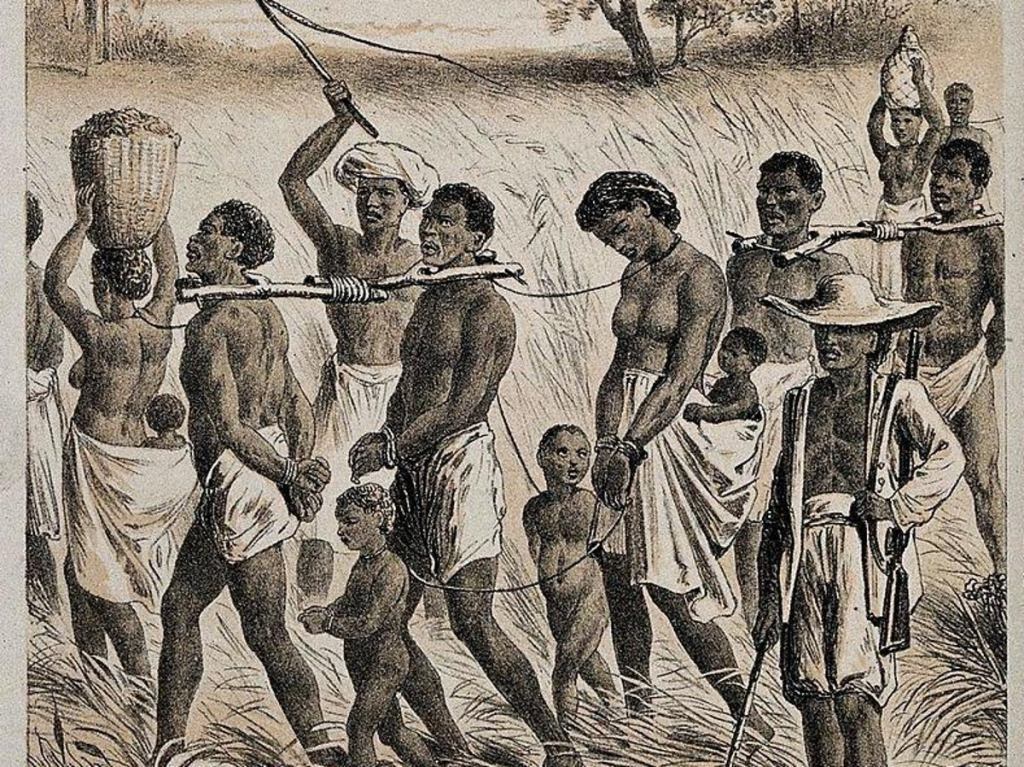
Early in the book of Exodus, the LORD (YHVH) sends Moses to Egypt with a clear message: “Go to Pharaoh and say to him, ‘Thus says the Lord: “Let My people go, that they may serve Me.” God was delivering His people from the yoke of slavery and oppression in Egypt (3:7-12; 4:21-22). After Pharaoh’s first refusal, the LORD adds something specific to the instructions: “Let My people go, that they may hold a feast to Me in the wilderness” (Exodus 5:1).
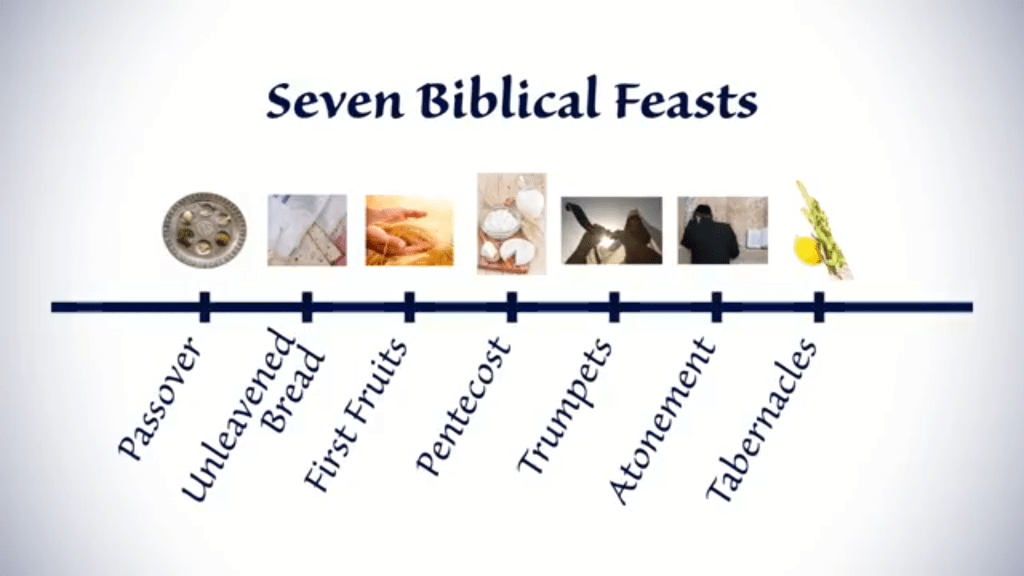
The Hebrew verb hagag (חגג) means to hold a feast, celebrate a festival, or make pilgrimage. The Bible defines three pilgrimage feasts: the Feast of Passover (Pesach) and Unleavened Bread (Chag HaMatzot), the Feast of Weeks (Shavuot), and the Feast of Tabernacles (Sukkot)—as outlined in Exodus 23:16-18, 34:22-23, and Deuteronomy 16:16.
Moses’s role was to facilitate the deliverance (salvation) of God’s people for the purpose of serving God. The LORD instituted special Sabbaths called pilgrimage feasts and defined specific protocols that detailed what to observe, when to celebrate, and where to gather:
The Passover (Pesach —in the month of Abib):
- Celebrates the Israelites’ liberation from slavery in Egypt
- “Observe the month of Abib, and keep the Passover to the Lord your God, as I commanded you, in the appointed time of the month of Abib” (Exodus 34:18)
- “You shall sacrifice the Passover at twilight, at the going down of the sun, at the time you came out of Egypt.”
The Feast of Weeks (Pentecost/Shavuot):
- Commemorates the giving of the Ten Commandments at Mount Sinai. In New Testament (Brit Chadashah), it marks the ‘Coming of the Holy Spirit’
- “You shall count seven weeks for yourself; begin to count the seven weeks from the time you begin to put the sickle to the grain” (Deuteronomy 16:9).
The Feast of Tabernacles (Sukkot —in the seventh month of Tishri):
- Celebrates the Israelites’ wandering in the desert after the Exodus and the harvest season.
- “You shall observe the Feast of Tabernacles seven days”
- “And you shall rejoice in your feast”
- “Every man shall give as he is able”
- “Seven days you shall keep a sacred feast to the Lord your God in the place which the Lord chooses”
With their cooperation, the LORD God promised the people that “I will bless you in all your produce and in all the work of your hands, so that you surely rejoice” (Deuteronomy 16:13-17).
In ancient times, when the Temple in Jerusalem stood, Jews and Israelis were obligated to travel to the Temple for these festivals, making them pilgrimage festivals. While the Temple is no longer standing, these festivals continue to be celebrated with special prayers, readings, and customs.
The purpose of these special pilgrimage feasts extends far beyond simply having a good time: “Moreover I also gave them My Sabbaths, to be a sign between them and Me, that they might know that I am the LORD who sanctifies them” (Ezekiel 20:12; Exodus 31:13). We will explore this further in the next few chapters.
The Bible mandates that the three Pilgrimage Feasts (Passover, Shavuot, and Sukkot) transcend cultural and religious constructs: The scriptures clearly say they are to be observed for all generations. Specifically, Exodus 12:14 and Leviticus 23:41 explicitly state that these feasts are to be observed as an ordinance (statute) “for ever” and “throughout your generations.”
For the non-Jews and Israelis the LORD says:
“To the eunuchs who keep My Sabbaths,
And choose what pleases Me,
And hold fast My covenant,
Even to them I will give in My house
And within My walls a place and a name
Better than that of sons and daughters;
I will give them an everlasting name
That shall not be cut off.“Also the sons of the foreigner
Who join themselves to the Lord, to serve Him,
And to love the name of the Lord, to be His servants—
Everyone who keeps from defiling the Sabbath,
And holds fast My covenant—
Even them I will bring to My holy mountain,
And make them joyful in My house of prayer.
Their burnt offerings and their sacrifices
Will be accepted on My altar;
For My house shall be called a house of prayer for all nations.”
The Lord God, who gathers the outcasts of Israel, says,
“Yet I will gather to him
Others besides those who are gathered to him.”—Isaiah 56:4-8
In the NT book of Revelation, Messianic believers from “every nation, tribe, tongue, and people” are symbolically referred to as; “all kinds of precious stones” (7:9; 14:6; 21:19)
Historians and theologians agree that Pesach (Passover) and Shavuot (Feast of Weeks) have already been fulfilled by Messiah Yeshua (1 Corinthians 5:7), and the the coming of the Holy Spirit, Ruach HaKodesh (רוח הקודש) —Acts 2:1-4.
In Zechariah 14:16 we are told: “It shall come to pass that everyone who is left of all the nations which came against Jerusalem shall go up from year to year to worship the King, the Lord of hosts, and to keep the Feast of Tabernacles.”
The fulfilment of Sukkot (Feast of Booths or Tabernacles) by Messiah’s return to dwell with His people is just the beginning. There is more, and it is hidden in plain sight—We will get back to that at some point, I promise.
Until then, we are called to hold station, and serve the LORD who saved us out of bondage. It is for our own benefit when we serve God according to His standards, not by our own religious constructs. God delivered the children of Israel from serving Pharaoh so that they could serve Him. We are not meant to serve God by standards defined by others—that is what God wants to save us from. Why? Because God cares more about His image invested in His people than those who did not create us.
God did not set out to create us for a temporary relationship here on the Earth. He calls us leaving stones destined to eternity with Him—the Rock of our Salvation.
Key Linguistic Word Pictures
The first thing that happened when Yeshua declared “Blessed are you, Simon Bar-Jonah:” He was practically equipping Peter with additional responsibilities in alignment with Jonah’s prophetic ministry of ‘declaring the good news’ to the people.
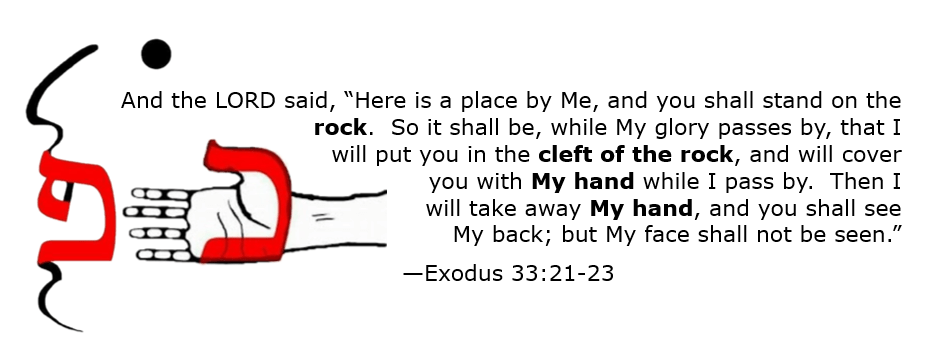
The word picture of the Hebrew Cepha/Kefa (כף) reading from the Right to the Left is of an open hand, and an open mouth. Just as Andrew found the Messiah and brought his brother Simon Peter to Jesus, that is our call too (John 1:40-42; Matthew 28:19-20). For every believer, the journey of freedom begins the moment Yeshua names you His chosen and precious “Cephas” (John 1:42).
Yeshua is the True Living Stone, and the Faithful Church is His Chosen Living Stones. Like Simon Peter, we all needed a solid Rock of Salvation to stabilize our erratic walk to freedom. Peter is not the rock on which Messiah promised to build His church. Yeshua is the tried stone, the precious cornerstone, the sure foundation, and that True Rock of Salvation (Isaiah 28:16).
Peter’s Blessing and Freedom
The second thing that happened when Yeshua declared “Blessed are you, Simon Bar-Jonah,” He was practically declaring Simon Peter be released from his iniquities. It is written:
“Blessed is he whose transgression is forgiven, whose sin is covered. Blessed is the man to whom the Lord does not impute iniquity, and in whose spirit there is no deceit.”
—Psalm 32:1-2
Scriptures say only Yeshua has the right to forgive sin on earth (Matthew 9:6). That encounter with Simon Peter was a defining moment in a judicial setting. Peter was testifying that Yeshua is the Messiah, “the Son of the living God.” Yeshua accepts: “for flesh and blood has not revealed this to you, but My Father who is in heaven.” (Matthew 16:16-17)
That is a double-edged statement. If we are going to succeed in outwitting the adversary, we need to live by ‘revelation knowledge‘ from God (Isaiah 1:1-2; Ephesians 1:17). Discipleship is a lifestyle—We tune in to the frequency higher than us. It is ok to be organized, but we can easily get diverted off the trail if programs are allowed to ‘quench the spirit’ (1 Thessalonians 5:19). That is a pretty dangerous place to be (1 Peter 5:8).
Fulfillment of Ancient Prophecy
That same statement of the Father’s revelation to Simon Peter fulfils a 650-year-old prophecy by Isaiah. It situates Yeshua in a justice’s seat on the earth long before He was born:
“And He shall not judge by the sight of His eyes, nor decide by the hearing of His ears; But with righteousness He shall judge the poor, and decide with equity for the meek of the earth.”
—Isaiah 11:3-4; 33:22
“…And I also say to you that the gates of Hades shall not prevail against it” (Matthew 16:18).
The symbolism of the church being the bride, the Lamb’s wife demonstrates how far Messiah Yeshua can go to care about and protect His family. Yeshua told John (the Revelator) that “I am He who lives, and was dead, and behold, I am alive forevermore. Amen. And I have the keys of Hades and of Death” (Revelation 1:18). Keys are used to lock, or unlock something. Only the resurrected Messiah has the power and means to restrain death (9:1,6; 20:1,13-15).
Protection for God’s People
When God’s chosen stones (the church) by faith accepts the invitation to relocate to their new foundation Stone—The Everlasting Rock Messiah Yeshua—they are legally entitled to His full protection detail. Hear what Yeshua promised The Faithful Church in Philadelphia:
‘These things says He who is holy, He who is true, “He who has the key of David, He who opens and no one shuts, and shuts and no one opens”: “I know your works. See, I have set before you an open door, and no one can shut it.”
—Revelation 3:7-8
Why the “key of David”? It was written 650 years before He was born that Messiah Yeshua would come from the line of David, will inherit king David’s throne, and that His Kingdom will never end (Isaiah 89:3,4,27,29,36-37).
There is more: John (the Revelator) heard the heavens declare “Behold, the tabernacle of God is with men… there shall be no more death, for the former things have passed away.” (Revelation 21:3-4)
When the creator of time shows up in the “Tent of Appointed Time”, time stands still—there isn’t enough time to die. Remember that Hebrew word description of “time” et (עת) in Ecclesiastes? It is translated from the root, ad (עד) implying perpetuity, continuing future, forever. When we are together with Messiah, time sees something far much bigger than death, and gives way.
Understanding the Keys of the Kingdom
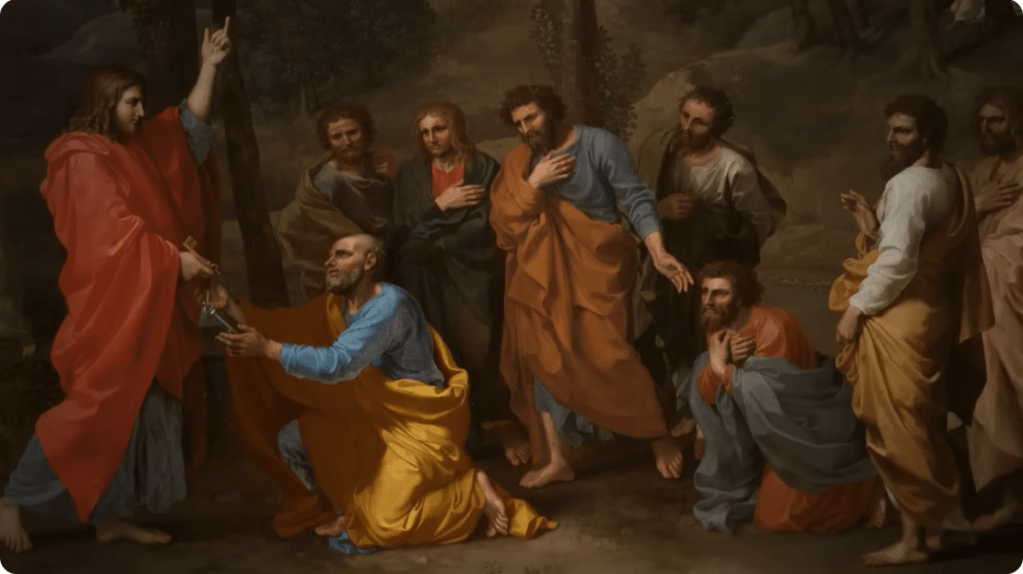
Roman Catholicism honors Peter as “the prince of the Apostles.” Jesus gave Simon this new name because He saw Peter as both a rock He could rely on and the foundation stone of Christianity. The keys Jesus entrusted to Simon Peter symbolize his tremendous responsibility to judge souls—forgiving sins or condemning to hell for eternity—That those Peter forgave would be forgiven in heaven, and those he did not forgive would remain unforgiven.
That through this exceptional authority among the disciples, Peter became the first Pope. The magnificent Saint Peter’s Basilica in the Vatican City illustrates Peter’s special status in Roman Catholicism as “the prince of the Apostles,” highlighting how Jesus gave him exceptional authority to forgive sins, and established him as the rock upon which Christianity was built.
Some ‘charismatic’ faith groups quote Matthew 16:19 when encouraging believers ‘to rebuke, to bind the Devil; to loosen, or set free’ of suspected demonic influence—That is a very dangerous way of misunderstanding, misinterpreting, and misrepresenting God’s word. It simply makes the bad situation worse. You risk provoking a backlash unnecessarily.
There is a comical episode in Acts 19:13-16 describing a scenario where seven Jewish exorcists attempted to cast out a demon in Jesus’ name, but the demon retaliated and overpowered them, causing them to flee naked, wounded, and humiliated.
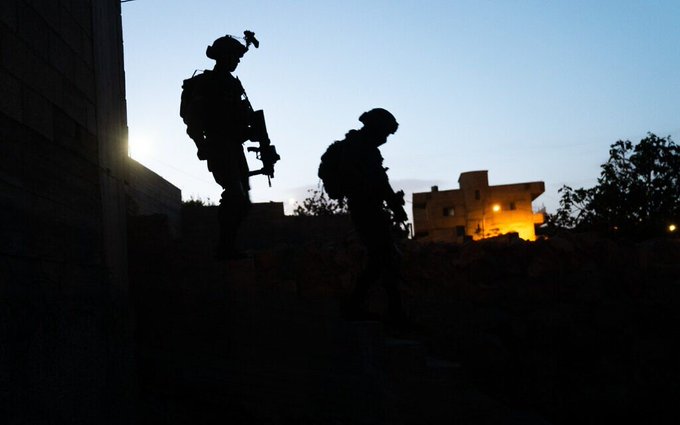
for the battle is the LORD’s —1 Samuel 17:47
That was physical; but it is the battles waged in the unseen realm that you really don’t want to second guess. For anyone who has been taught to directly confront evil through yelling, hurling insults, name-calling, rebuking, binding, or similar confrontational practices: you may want to exercise greater discretion, whether or not you fully understand the broader spiritual ramifications. Such approaches can be spiritually dangerous, potentially exposing you to counter accusations of defamation, slander, and other spiritual attacks.
Scripture provides important examples of proper conduct. Consider how Joshua the High Priest remained silent in Zechariah 3:1-2 when he stood accused while wearing filthy garments. Similarly, Yeshua (Jesus) remained silent during His trial when facing judicial abuse. These weren’t acts of weakness, but demonstrations of spiritual discipline. Only the righteous Lord of Hosts has the true legal and spiritual authority to “rebuke” the adversary on your behalf. As promised in Malachi 3:11:
“And I will rebuke the devourer for your sakes, So that he will not destroy the fruit of your ground, Nor shall the vine fail to bear fruit for you in the field,” Says the Lord of hosts.
When The Lord says, “I will give you the keys…” it has nothing to do with a license to engage Satan in a verbal confrontation. Only the Lord of Hosts has the authority to tell the devil what he can, or cannot do (Job 1:12; Zechariah 3:2,9).
Yes, it is true; Yeshua told the 72 that “Behold, I have given you authority to tread on snakes and scorpions, and over all the power of the enemy. Nothing will harm you. . . (Luke 10:19). It is also true that “the weapons of our warfare are not of the flesh, but divinely powerful for the destruction of fortresses.” (2 Corinthians 10:4).
When we are attacked and are feeling overwhelmed, our default response is not to address the adversary directly, but to always call upon the Lord, the Rock of our Salvation (Psalm 18:1-19; 61:1-4). You risk attracting a fresh charge of trying to diminish Yeshua’s role in securing justice for His people. The Devil is a legalist who doesn’t mind keeping people convoluted into lawlessness and religious fervor.
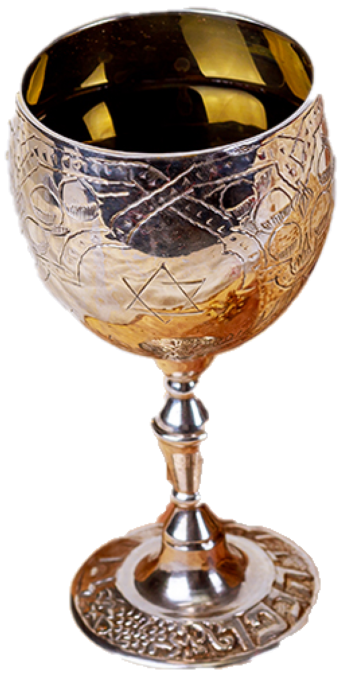
The Hebrew noun for keys, mefatchot (מפתח) comes from the root verb patah/pâthach (פתח). In the context of Matthew 16:19, it simply means “to engrave.” It comes from the account of Joshua standing in front of the Just Judge. Notice the image here of The Passover Seder golden tumbler called Elijah’s Cup. According to Jewish tradition, the Prophet Elijah will announce the coming of the Messiah (Matthew 17:10-12; Mark 9:11-13). It is left standing empty on the table as ‘a powerful symbol of our anticipation and hope.’ Elijah’s Cup. has inscriptions engraved, or inscribed on it, including the ‘Star of David.”
The Hebrew word “Pesach” (פסח) closely resembles the Hebrew root verb for “key,” which is “patah/pâthach” (פתח). The root verb of Pesach itself is “pasha” (פסח), which has several meanings: “pass over,” “become lame,” “leap,” and “halt.” According to rabbinical teaching, during the first Passover described in Exodus 12:13, the Angel of the LORD “halted” or stood guard outside every home that followed the instruction to mark their doorposts with the blood of the Passover lamb. Interestingly, Elijah is the only person in the entire Bible quoted using the word “pasha” (פסח) with the specific meaning of “halt” (sometimes translated as “falter”) in 1 Kings 18:21.
Joshua Before the Just Judge
The adversary was contending against Joshua’s appointment as High Priest over Jerusalem because he “was clothed with filthy garments” (Zechariah 3:1-3). Joshua, in this context, was the High Priest who returned with the Jews from Babylonian exile, tasked with rebuilding the Temple in Jerusalem.
Throughout the trial, Joshua did not address the prosecuting foe. Instead, he remained silent. The Judge sifted through the evidence and decided to set Joshua free for two significant reasons: (1) For the sake of Jerusalem and (2) for the sake of the Lord’s name that Joshua (יהושע) represents (v.2-5).
Like every one of us, Joshua had a checkered background for sure. His namesake Joshua the son of Nun, Moses’ assistant during the Exodus had jealous fits (Numbers 11:29). Forty years later, Joshua the son of Nun would lead the Israelites into battle to take the Promised Land. It is not clear why, but he cursed the defeated city of Jericho (Joshua 6:26). It took four-hundred years until the LORD, through the prophet Elisha expunged the iniquity, lifted the curse and healed the city of Jericho (2 Kings 2:19-22).
Modern Jericho is known as the “City of Palms” due to its abundance of palm trees, particularly date palms, which thrive in the fertile soil of the area. This nickname reflects the city’s prosperity and abundance, and the palm trees are often seen as a symbol of God’s presence to bless.
In the OT, palm trees or branches are specifically mentioned in Ezekiel 40:16, 31, and 41:18-25. These verses describe the new temple, with palm trees depicted on the walls, pillars, and doorways. The next time we see palm trees without a temple is during Sukkot/Sukkoth (סֻּכֹות), the last of the LORD’s annual Pilgrimage Feasts—The Feast of Tabernacles (Leviticus 23:39).
‘Holy to the LORD’: Joshua’s Restoration
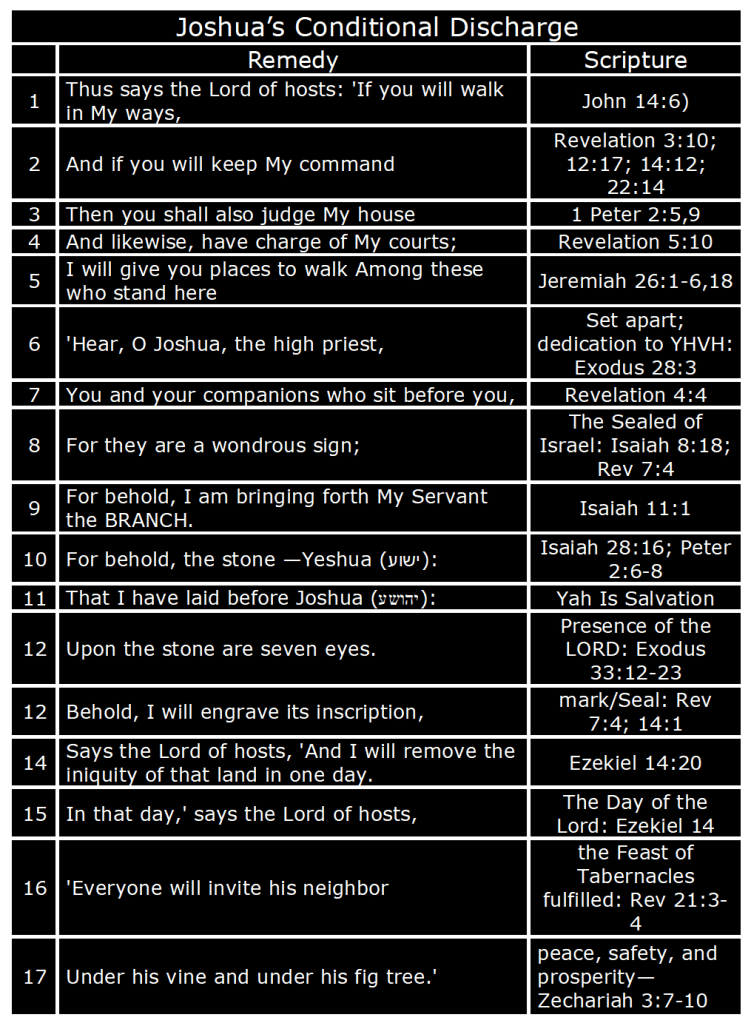
Three Key Legal Remedies
Joshua’s case sets precedence of God’s judicial intervention to end iniquity based on three main mitigating factors:
- God’s Purposes: Joshua responded to the Lord’s compassionate quest for a High Priest for the purpose of interceding on behalf of Jerusalem and avert an impending judgement against the city (Jeremiah 26:1-6,18).
- God’s Name: Joshua (יהושע) and Jeshua/Yeshua (ישוע) are etymologically related to ‘Salvation’—”and if My people who are called by My name humble themselves and pray and seek My face and turn from their wicked ways, then I will hear from heaven, forgive their sin, and heal their land” (2 Chronicles 7:14).
- God’s Ways: ‘If you will walk in My ways, and if you will keep My command’—Joshua got a conditional discharge: A sentence where a defendant is found guilty but receives no immediate punishment. Instead, they must not commit any new offenses during a set period. If they remain trouble-free, no further action is taken for the original offense. However, if they reoffend during this period, they can be sentenced for both the original and new offenses. Joshua’s only chance to remain safe, clean, and stable is to keep following the BRANCH; the stone; Lord of hosts (Zechariah 3:6-9).
As long as the priest keeps clean on the job, the adversary will comply with the Judge’s rebuke, and cannot devour at will until the opportunity comes (1 Peter 5:8; Exodus 33:12-23).
Royal Priesthood
That legal arrangement is not unique to Joshua. Messianic believers “are a chosen generation, a royal priesthood, a holy nation, God’s own special people,”—For what purpose? “…That you may proclaim the praises of Him who called you out of darkness into His marvelous light” (Zechariah 3:10; 1 Peter 2:5,9; Revelation 5:10).
When believers begin that journey of transformation into living and precious stones, a holy priesthood, chosen by God; their royal status is engraved on a signet (seal).
“Then you shall take two onyx stones and engrave on them the names of the sons of Israel: With the work of an engraver in stone, like the engravings of a signet, you shall engrave the two stones with the names of the sons of Israel… And you shall put the two stones on the shoulders of the ephod as memorial stones for the sons of Israel.” (Exodus 28:9-12)
“You shall also make a plate of pure gold and engrave on it, like the engravings of a signet (seal), HOLINESS TO THE LORD” (28:36).
That ancient custom is not confined to the history books. The Apostle Paul reminds us that ‘keeping clean’ is for our times too:
Therefore purge out the old leaven, that you may be a new lump, since you truly are unleavened. For indeed Christ, our Passover, was sacrificed [e]for us. Therefore let us keep the feast, not with old leaven, nor with the leaven of malice and wickedness, but with the unleavened bread of sincerity and truth.
—1 Corinthians 5:7-8
End Times: The Sealed of the Lord
Fast forward to the “Time of the End” Acharit Hayamim (אחריתהימים)—the prophetic period that culminates in God’s ultimate redemption—documented by John (the Revelator). In Revelation 7:4 he says, “And I heard the number of those who were sealed. One hundred and forty-four thousand of all the tribes of the children of Israel were sealed.”
They are not the only ones: We are told in 2 Timothy 2:19 that “God’s firm foundation stands, bearing this seal: ‘The Lord knows those who are His,’ and, ‘Everyone who calls on the name of the Lord must turn away from iniquity.’”
The general definition of a seal is broad. In this context, it carries your royal biometric credentials in the spirit realm. It cannot be compromised because it is engraved on you, the ‘living stone’. It carries authentication features fully recognizable in the heavenly realm.
To The Faithful Church in Philadelphia, He says; “See, I have set before you an open door, and no one can shut it;” (Revelation 3:8). To the Simon Peters of this generation, He says: “And I will give you the keys of the kingdom of heaven, and whatever you bind on earth will be bound in heaven, and whatever you loose on earth will be loosed in heaven.” (Matthew 16:19)
The Day of the Lord
The last part of Joshua’s legal process to become High Priest in Jerusalem is very significant:
For behold, I am bringing forth My Servant the BRANCH.
For behold, the stone
That I have laid before Joshua:
Upon the stone are seven eyes.
Behold, I will engrave its inscription,
Says the Lord of hosts,
‘And I will remove the iniquity of that land in one day.
In that day,’ says the Lord of hosts,
‘Everyone will invite his neighbor
Under his vine and under his fig tree.’—Zechariah 3:8-9
“The Day of the Lord” refers to a future time when God will personally and dramatically intervene in world affairs, bringing both judgment and restoration. This prophetic concept appears throughout Scripture, describing the culmination of history when God establishes His kingdom on earth.
Here is why this passage is significant:
- By default, iniquitous patterns linger for generations until suspended by conditional discharge. There is always danger of snapback at the slightest opportunity (1 Peter 5:8). There is only one day described in scripture where iniquity and its legal consequences are expected to be completely wiped out: “For behold, I am bringing forth My Servant the BRANCH; For behold, the stone; Behold, the tabernacle of God is with men; And God will wipe away every tear from their eyes; there shall be no more death, nor sorrow, nor crying. There shall be no more pain, for the former things have passed away.” (Revelation 21:3-4)
- The phrase, ‘In that day,’ baiyom HaHu (ביוםההוא) has a numerical value in Hebrew gematria equal to 75. When these digits are added together (7+5), they equal 12, which in biblical numerology represents completeness and divine governance
- In Revelation 7:5-8, there are 12 tribes of ‘The Sealed of Israel’ recorded 12 times which equals 144.
- One hundred and forty-four thousand of all the tribes of the children of Israel who were reportedly sealed in Revelation 7:4 and 14:1,3. The values that come from “The sealed” (144,000), and “In that day” (144) simultaneously reduce to the same number, nine (9). Nine is the value that expresses alignment with the “truth,” Hebrew emeth (אמת). That is the opposite of ‘deceit’. The ‘Truth’ also represents the Father’s name written (or To inscribed) on the foreheads of the sealed, who are seen with a Lamb standing on Mount Zion, described in Revelation 14:1,3,5.
- The context here is, Mount Zion is a symbol for what is happening in the heavenly Jerusalem; “Tent of Appointed Time” or the ultimate sanctuary and kingdom of God. Here on earth, we are told, in that day Yeshua’s feet will stand on the Mount of Olives, not Mount Zion (Zechariah 14:4-5).
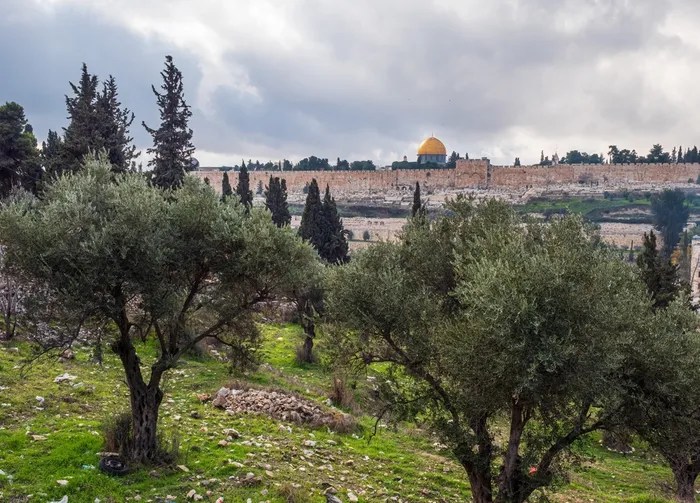
The Mount of Olives (Olivet), next to the Old City in Jerusalem.—artzabox.com
The context here is, Mount Zion is a symbol for what is happening in the heavenly Jerusalem; “Tent of Appointed Time” or the ultimate sanctuary and kingdom of God. Here on earth, we are told, in that day Yeshua’s feet will stand on the Mount of Olives, not Mount Zion (Zechariah 14:4-5).
The phrase ‘in that day,’ baiyom HaHu (ביוםההוא) is repeated seven (7) times in Zechariah chapter 14. This sevenfold repetition underscores the completeness and divine perfection of this prophetic day. Notice the escalation here:
- For behold, I am bringing forth My Servant the BRANCH.
- For behold, the stone
- Upon the stone are seven eyes.
- ‘And I will remove the iniquity of that land in one day.
- In that day,’ says the Lord of hosts, ‘Everyone will invite his neighbor
Now you know why pause at the fulfilment of Sukkot (Feast of Booths or Tabernacles), the third Pilgrimage Feast of the LORD.
In Revelation 1:7 it says; “Behold, He is coming with clouds, and every eye will see Him, even they who pierced Him. And all the tribes of the earth will mourn because of Him. Even so, Amen.”
Feast of Tabernacles: A Pattern for the End
That sequence represents Messiah Yeshua fulfilling Sukkot (the Feast of Tabernacles), the last of seven annual Feasts of the Lord. Sukkot, meaning “booths” or “tabernacles,” celebrates God’s provision and presence among His people. It is celebrated from the fifteenth day of the seventh month lasting a period of seven days. It is also the last of three annual pilgrimage feasts (including Passover and Shavuot/Pentecost) ordained by the LORD (Deuteronomy 16:16).
There is a sabbath-rest decreed on the first day, and on the eighth day. But more detail is given for the eighth day as: a holy convocation, a sacred (solemn) assembly, and no customary work to be done on it. Eighth, Hebrew Shemini (השמיני) points toward “rest,” or “completion” (Leviticus 23:36,39).
Shemini (השמיני) has a numerical value equal to 415, reducing to 10 (4+1+5=10). Both ten and seven have something of divine order in common: God completed His creation work and rested on day seven. God gave Moses a complete set of 10 commandments on 2 stone tablets. The seven annual feasts complete the cycle of God’s redemptive calendar.
Ten completes the full measure, or group (congregation), body, or kingdom, whether good or evil. On the other hand, eight, ten and one also have something in common: a new beginning. Day eight is practically day one after the seventh day of rest. The number 10 reduces (1+0=1), which is also a new beginning.
Is Shemini Atzeret (השמיני עצרת)—the “Eighth Day Assembly” that follows the seven days of Sukkot—the coming “Great and awesome Day of the Lord” as described by Malachi and Joel?
All I know is that there is, and will always be great joy in the presence of the LORD. It is the ultimate rest He promised; menukha (מנוחה), a “peaceful dwelling” (1 Kings 8:66). And it is for “everyone” who will go up to worship the King and Lord of hosts, at the Feast of Tabernacles.
In that day “HOLINESS TO THE LORD” shall be engraved on the bells of the horses. Yes, every pot in Jerusalem and Judah shall be holiness to the Lord of hosts. In that day there shall no longer be a Canaanite in the house of the Lord of hosts.
— Zechariah 14:16-21
A Snapshot on Prophecy
Most prophecies are often more symbolic and vision-filled. So, I looked up the word ‘Canaanite,’ and found such a fitting reference in the book of Hosea chapter 12 verse 7—”A cunning Canaanite! Deceitful scales are in his hand; He loves to oppress.” In another version it says, “A merchant, in whose hands are false balances, He loves to oppress.”
Hosea’s prophecies are more focused on personal and relational themes to illustrate God’s relationship with His people. Hosea often uses the metaphor of Jacob and Ephraim to illustrate the perpetrator of lies and desolation (v.1).
And Ephraim said, ‘Surely I have become rich, I have found wealth for myself; In all my labors They shall find in me no iniquity that is sin.’ (v.8)
From “The Revelation of Jesus Christ, which God gave Him to show His servants—things which must shortly take place,” Satan is identified as “the great dragon, that serpent of old, called the Devil, who deceives the whole world” (12:9; 20:8,10). And that is what the Lord of Hosts promised will come to an abrupt end when Messiah finally tabernacles with His people (Zechariah 3:9; 14:20; Revelation 21:4,8; 22:15).
If you haven’t found time to check out all those scripture quotations, the summary is: The future looks bright for God’s people. But for the adversary, the future looks bleak!—”For the day of the Lord is great and very terrible; A day of darkness and gloominess, A Day of clouds and thick darkness (Joel 2:1,2,11; Malachi 4:1,3,5; Revelation 19:11).
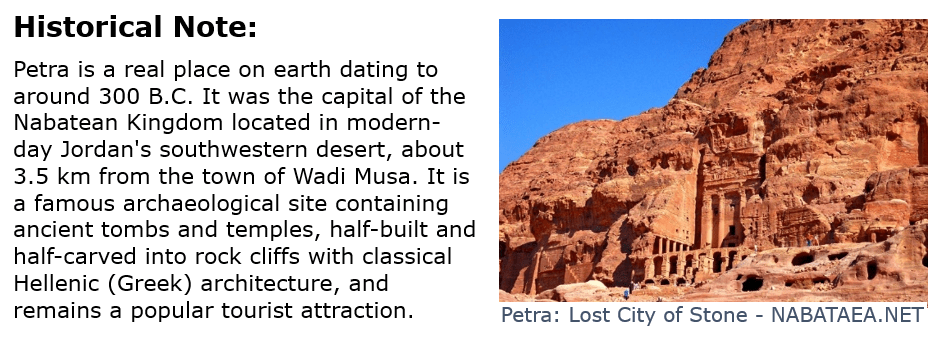
Historical Note:
Conclusion
All prophets quoted in this incredible journey address the themes of God’s love, judgment, and the importance of repentance and righteousness.
“But I am the Lord your God,
Ever since the land of Egypt;
I will again make you dwell in tents,
As in the days of the appointed feast. (Sukkot/Tabernacles)
I have also spoken by the prophets,
And have multiplied visions;
I have given symbols through the witness of the prophets.”
By a prophet the Lord brought Israel out of Egypt,
And by a prophet he was preserved.”— Hosea 12:9,10,13
Fast forward to the “Time of the End” Acharit Hayamim (אחריתהימים), our times: Messiah Yeshua, the BRANCH, the Everlasting Rock, and the Rock of our Salvation who will tabernacle with His people on that Great and Awesome Day of the Lord.
- Yeshua (Jesus) is the living Stone/Rock (צור) that gives life (1 Corinthians 10:4; 1 Peter 2:4)
- Yeshua is the foundation Stone/Rock (צור) of the LORD’s House that was split into smaller living stones and pebbles [kefayim (ּכַּפַיִם)] to build His Church (Matthew 27:51-53; 1 Peter 2:5; Zechariah 4:7,9,8).
- Yeshua is the chief Stone Marker that points the Way to the Father (John 14:6).
- Just like with Jonah and Peter Son of Jonah (Bar-Jonah), the primary purpose of the living stones (the church) is to proclaim the good news that points the needy and oppressed world to Yeshua, our Rock of Salvation (1 Peter 2:9; Matthew 28:19-20).
Application for Today’s Believers
It is the word of the LORD that fights your battles—equip yourself in scripture.
“Then the Lord saw it, and [c]it displeased Him That there was no justice. He saw that there was no man, And wondered that there was no intercessor; Therefore His own arm brought salvation for Him; And His own righteousness, it sustained Him.
For He put on righteousness as a breastplate, And a helmet of salvation on His head; He put on the garments of vengeance for clothing, And was clad with zeal as a cloak. According to their deeds, accordingly He will repay, Fury to His adversaries, Recompense to His enemies; So shall they fear The name of the Lord from the west, And His glory from the rising of the sun; When the enemy comes in like a flood, The Spirit of the Lord will lift up a standard against him.”
—Isaiah 59:15-19
We are called to continue honoring the sacred dress rehearsal awaiting His return (Revelation 3:7-12; 19:11; 21:2; 22:12). Life on the earth is a cycle: The Lord designed rest stations to help us reflect on where we’ve been, where we are, and our final destination.
Scriptures promise a tremendous blessing for “those whose strength is in the Lord, whose hearts are set on pilgrimage” (Psalm 84:5). Just as Peter found his identity and strength in Yeshua the Rock, we too must anchor ourselves in Him to withstand the storms of life.
The opposite of a blessing is a curse. Your adversary’s preoccupation is to find cause to oppose the Father’s hand to bless (Proverbs 26:2; 1 Peter 5:8). If you are going to outwit the adversary, you just don’t want to lose step with Messiah Yeshua, the “Way” (John 14:6; Galatians 3:13).
“He who has an ear, let him hear what the Spirit says to the churches.”
“Behold, I am coming quickly! Blessed is he who keeps the words of the prophecy of this book.” Blessed are those who do His commandments, that they may have the right to the tree of life, and may enter through the gates into the city. He who testifies to these things says, “Surely I am coming quickly.” (Revelation 3:13; 22:7,14,20)
Hear the earnest entreat of John as he concludes… “Worship God! For the testimony of Jesus is the spirit of prophecy.” (19:10)
חסד אדונינו ישוע המשיח עם כל הקדושים אמן
The grace of our Lord Jesus Christ be with you all. Amen. (22:21)
Amen!
 Faith Matters
One response to “The True Rock (Part Four)”
[…] When we return, we will conclude this series by examining: The Reality of Iniquitous Roadblocks, Beyond Legalism, Key Linguistic Word Pictures in scripture, Peter’s Blessing and Freedom, Fulfilment of Ancient Prophecy, Protection for God’s People, Understanding the Keys of the Kingdom, The Day of the Lord, Feast of Tabernacles: A Pattern for the End, and Application for Today’s Believers. See you there. […]
LikeLike